Introduction
Amazon Pay-Per-Click (PPC) advertising is a powerful tool that allows sellers to promote their products directly on the Amazon marketplace. By leveraging Amazon PPC, sellers can increase their product visibility, drive more traffic to their listings, and ultimately boost sales. For those new to the world of Amazon PPC, understanding its fundamentals is crucial for setting up successful campaigns. This article will walk you through the basics of Amazon PPC, explaining how it works, why it’s essential, and how you can get started.
What is Amazon PPC?
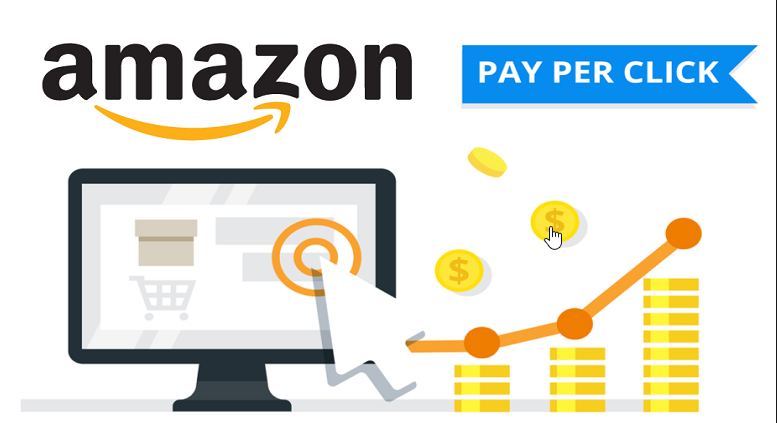
Amazon PPC is an advertising model where sellers pay a fee each time a shopper clicks on one of their ads. These ads appear in various locations on Amazon, including search results pages, product detail pages, and more. The goal of Amazon PPC is to drive potential customers to your product listings, increasing the chances of making a sale.
Key Components of Amazon PPC:
Sponsored Products:
Sponsored Products are the most common type of Amazon PPC ad. These ads appear in search results and on product detail pages, making them highly visible to shoppers. Sponsored Products are typically used to promote individual listings.Sponsored Brands:
Sponsored Brands, formerly known as Headline Search Ads, allow sellers to promote their brand and a selection of products. These ads appear at the top of search results and can include a custom headline and logo, helping to increase brand awareness.Sponsored Display:
Sponsored Display ads are a type of display ad that targets shoppers both on and off Amazon. These ads can appear on product detail pages, customer review pages, and even third-party websites, helping to retarget potential customers who have shown interest in your products.
How Does Amazon PPC Work?
Amazon PPC operates on a bidding system, where sellers bid on keywords that are relevant to their products. When a shopper searches for a keyword, Amazon runs an auction to determine which ads will appear. The seller with the highest bid and a relevant, high-quality ad will win the auction and have their ad displayed.
Key Factors in Amazon PPC:
Keywords:
Keywords are the search terms that shoppers use to find products on Amazon. Choosing the right keywords is crucial for ensuring that your ads reach the right audience. Sellers can use different keyword match types, such as broad match, phrase match, and exact match, to control how closely the keyword must match the shopper’s search query.Bidding:
Bidding is the amount you’re willing to pay for a click on your ad. Amazon uses a second-price auction model, meaning you only pay $0.01 more than the next highest bid. Your bid, combined with the quality of your ad and its relevance, determines your ad’s placement.Ad Placement:
Ad placement is determined by your bid amount, ad relevance, and the competition for the keyword. Ads can appear at the top of search results, within search results, or on product detail pages. Higher bids and more relevant ads are more likely to secure top placements.Budget:
Setting a daily budget for your PPC campaigns ensures you don’t overspend. Once your budget is exhausted, your ads will stop running for the day, helping you manage your advertising spend.Targeting Options:
Amazon PPC offers various targeting options, including keyword targeting, product targeting, and interest targeting. These options allow you to refine your ad strategy and reach the most relevant audience for your products.
Why is Amazon PPC Important?
Amazon PPC is essential for several reasons:
Increased Visibility:
With millions of products on Amazon, it can be challenging to stand out. Amazon PPC helps increase your product’s visibility by placing it in front of potential customers who are actively searching for similar items.Improved Sales:
By driving more traffic to your product listings, Amazon PPC can lead to increased sales. Sponsored Products, in particular, are highly effective in converting clicks into purchases.Brand Awareness:
Sponsored Brands and Sponsored Display ads are excellent tools for building brand awareness. These ads allow you to showcase your brand and product range, helping to establish your presence on Amazon.Data-Driven Insights:
Amazon PPC provides valuable data and insights into customer behavior, keyword performance, and ad effectiveness. This data allows you to refine your campaigns, optimize your ad spend, and make informed business decisions.
Getting Started with Amazon PPC
Set Clear Goals:
Before launching your PPC campaigns, define what you want to achieve. Are you looking to increase sales, boost brand awareness, or improve your organic rankings? Setting clear goals will guide your strategy and help measure success.Choose the Right Keywords:
Conduct keyword research to identify the most relevant and high-performing keywords for your products. Tools like Amazon’s own Keyword Planner or third-party tools can help you discover keywords that your target audience is searching for.Create Compelling Ads:
Write compelling ad copy that highlights your product’s unique selling points. Ensure that your ad images are high-quality and represent your product accurately.Set a Budget and Bids:
Determine your daily budget and set your bids based on your goals and competition. Start with a conservative bid and gradually increase it based on performance.Monitor and Optimize:
Regularly monitor your PPC campaigns to track performance. Analyze the data to identify which keywords and ads are performing well and which need improvement. Adjust your bids, keywords, and targeting to optimize your campaigns over time.
Conclusion
Amazon PPC is a powerful tool for increasing your product’s visibility, driving traffic to your listings, and boosting sales. By understanding the basics of Amazon PPC and implementing a well-planned strategy, you can leverage this advertising model to grow your business on Amazon. Whether you’re just starting or looking to refine your existing campaigns, mastering Amazon PPC is key to achieving long-term success on the platform.
Ready to dive deeper into Amazon PPC?
Explore our other articles on advanced strategies, keyword optimization, and maximizing ROI to take your Amazon advertising to the next level.